All of Slovakia
Anti-graffiti films for glass
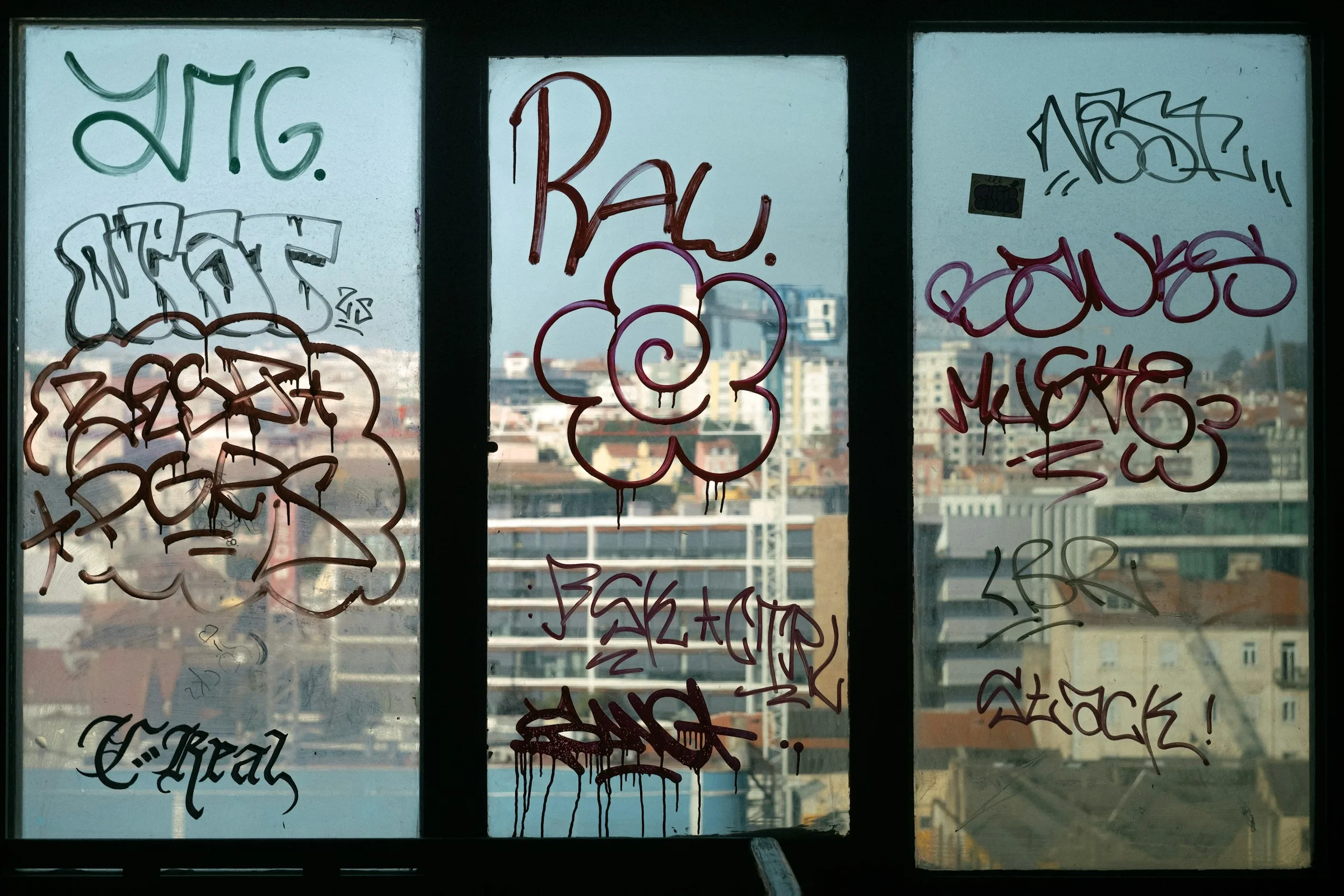
Scratched or etched glass cannot be repaired. It can only be replaced. Anti-graffiti film takes the damage instead. When it is ruined, we replace it for a fraction of the cost of new glass.
- Clear, near-invisible
- Replace the film, not the glass
- Shop windows, shelters, public buildings
In short
Anti-graffiti film is a clear protective layer on glass. It takes scratches, etching and spray paint. We remove the damaged film and apply a new one. So the glass itself stays untouched. It is used on shop windows, public transport, bus shelters, lifts and public buildings.


What anti-graffiti film does for you
-
Protects glass from etching
Scratches and etched tags stay on the film, not on the glass.
-
Cheaper than new glass
We replace the damaged film. That is faster and cheaper than replacing a shop window or door.
-
Almost invisible
Clear film does not change the look of a shop window or bus shelter.
-
Easier cleaning
Markers and spray paint come off film more easily than off glass.
How anti-graffiti film works
Anti-graffiti film is a sacrificial layer. Everything that would otherwise ruin the glass stays on the film. It works like a screen protector on a phone.
It is a clear polyester with a hardened, durable surface. The adhesive holds firmly to the glass but does not bond with it chemically. So after years, or after an attack, we peel it off without a trace and apply a new one.
We mostly use 3M Anti-Graffiti films. They come in several thicknesses. For example, 3M AG4 is about 100 µm (a tenth of a millimetre), and AG6 is thicker. A thicker film withstands a deeper scratch before the damage reaches the glass.
According to the manufacturer, they block about 99 % of UV radiation. So goods in the window also fade less.
What it protects against, and what not
Anti-graffiti film protects against three kinds of damage.
The first is scratched graffiti. These are tags carved with a key, a stone or sandpaper.
The second is etching with acid pastes. This leaves a permanent frosted tag on the glass.
The third is paint and markers. Harsh solvents would damage seals and frames. Instead, we simply replace the damaged film.
But the film is not a security film. It will not stop the glass breaking or a break-in. That is what thicker safety films are for. On shop windows we often combine both: safety film inside and anti-graffiti film outside.

Where it pays off
- Shop windows, especially on the street and near bus stops.
- Glazed entrances and lobbies.
- Bus and tram shelters.
- Lifts and glass balustrades.
- Public buildings, schools and underpasses.
- Mirrors and glass wall panels in toilets and changing rooms.
On glass that gets damaged again and again, the film pays for itself at the first incident. Replacing film is quick and far cheaper than new glass.
With large insulating units or printed toughened glass, the difference is even bigger. Making new glass takes weeks. Fitting it often needs lifting equipment.
Site visit and measuring
At the site visit we look at where the damage comes from. We also check how high vandals usually reach.
Often you don’t need to protect the whole pane. A band up to arm’s reach is enough, and it lowers the price. On shop windows, however, we recommend the full area, because the film edge would show.
We also check the condition of the glass. If it is already scratched or etched, the film will not hide it. The damage stays visible underneath.
In that case we tell you whether it is worth replacing or polishing the glass first. Or whether it is enough for you that the damage gets no worse.
Installation step by step
- Preparation – for street-front premises we fence off the work area. In shopping centres we work outside opening hours.
- Cleaning – we wash the glass with a neutral solution and go over it with a scraper. So no dirt or old sticker residue stays under the film.
- Application – we apply the film wet and squeegee the water out. Anti-graffiti film usually goes on the outside. That is the side the attack comes from.
- Trimming the edges – we trim the film close to the frame. That way the edge is hard to catch and peel.
- Checking – after installation we check the whole surface. We agree how you will report damage.
For outside installations we watch the weather. We don’t apply film outside in rain, frost or strong wind. Dust would get under the film and the water would dry unevenly.
Drying, care and lifespan
Don’t clean the film for the first 30 days. The manufacturer says small water pockets from wet application should dry within 30 days in reasonable weather.
After that, clean it like glass. Use a soft cloth or squeegee and a cleaner with pH 6–8, with no ammonia and no abrasives (scouring ingredients). Never use a razor blade or a scouring pad on the film.
Lifespan cannot be given as one number. The film is replaced when it is damaged. In a quiet location it lasts for years. At an exposed bus stop you may replace it more often.
Outdoors, you will replace it after a few years even without vandals. The surface slowly ages.
What affects the price
- Film thickness. Thicker costs more but withstands deeper scratches.
- Area and number of panes. Many small panes mean more cutting.
- Access. High glazing needs a ladder, scaffolding or a platform.
- Work outside opening hours. We work at night only when there is no other way, and for a surcharge.
- Removing old film and adhesive residue.
- Travel – €0.45 per km driven, there and back, at least €30, incl. VAT.
For retail chains, bus shelters and public buildings we can agree a replacement service for damaged film. The online form shows a guide price.
Myths, and when film won’t do
- “The film can’t be scratched.” It can, and that is the whole point. The film gets scratched, not the glass.
- “Anti-graffiti film stops burglars.” No. Against breakage and break-ins you need safety film.
- “The film repairs scratched glass.” No. Old damage stays visible underneath.
- “A vandal will just tear it off.” They may try. But the glass stays undamaged, and that is the goal.
We don’t recommend film where the glass never gets damaged. Nor on glass that will be replaced within a year anyway.
For non-glass surfaces such as render or stone, anti-graffiti coatings are used, not film.
Preparing for the installation
Film is applied wet, so the fitter needs to reach the glass from the front and the sides with a squeegee, knife and sprayer.
Caring for anti-graffiti film
Do not clean the film for the first 30 days unless you must. The adhesive needs time to bond fully.
Do
- Remove tags and marker as soon as possible
- A normal ammonia-free glass cleaner and a soft cloth
- If a tag will not come off, contact us – we replace the film, not the glass
Don’t
- Razor blades and scrapers on tags or scratches
- Aggressive solvents without asking us
- Polishing pastes and rough sponges
Tip from practice: Anti-graffiti film is a sacrificial layer. When it is scratched or etched, only the film is replaced. The glass stays intact.
Full film care guideWhy choose us to fit your film
We are a certified 3M Endorsed Installer. Our fitters were trained and tested by 3M itself. We have been fitting window and car films for 25 years. How long a film lasts depends on how well it is fitted.
We have even worked inside nuclear power plants
We fitted film at the Jaslovské Bohunice and Mochovce nuclear power plants. With security clearance, work permits and the strictest health and safety rules. We bring the same discipline to your flat or office.
Open shopping centres and work from platforms
Aupark, Eurovea and Polus did not close for us. We worked section by section and before opening. The work area was fenced off. We reached atriums and skylights from platforms. All our installers are certified for work at height and for operating aerial work platforms and walkways.
Only premium materials, data shown openly
We use only premium films from 3M, Avery Dennison, ORAFOL and Solar Screen. They last longer, keep their colour and carry a manufacturer warranty. For every film you get the data sheet and certificates. The values in our quote are the manufacturer’s figures to recognised standards. Not sales promises.
We tell you when film isn’t the answer
Sometimes film will not solve the problem. Or the glass could crack from uneven heat (thermal stress). Then we tell you plainly and suggest what to do instead.
How it works
From your first message to the finished job usually takes a few days. For buildings, we plan the work so it does not disrupt your operations.
Enquiry or photo
Fill in the online form and see an estimated price at the end. Or send a photo to m2s@m2s.sk. Rough sizes are enough.
Free site visit
For buildings, we visit, measure the windows and check the glass. Then we recommend a suitable film.
Your quote
We prepare it as soon as possible. It has a clear price, the exact material, a date and the warranty terms.
Installation and warranty
Our team of two installers fits the film. You get the data sheet, the manufacturer’s warranty terms and an invoice. For cars, also a certificate of installation.
Frequently asked questions
Didn’t find your answer? E-mail us or send a free quote request – advice costs nothing.
Send us an e-mailHow does anti-graffiti film work?
It is a clear sacrificial layer. Scratches, etching and paint stay on the film, which we then replace. The glass underneath stays undamaged.
Can you see the film on the glass?
Hardly, it is clear. Looking closely from the side, you may notice the edge at the frame. That is why we cover whole panes.
How often is the film replaced?
As needed, when it is damaged. In a quiet location it lasts for years; in exposed places it is replaced more often. Outdoors, you will replace it after a few years even without vandalism.
Is anti-graffiti film applied outside or inside?
Usually outside, on the side the attack comes from. In lifts and underpasses, on the side people can reach.
Can spray paint be washed off the film?
Don’t count on it. Solvents and harsh cleaners can damage the film just as the paint does. The safest and quickest option is to replace the damaged film. The glass underneath stays clean.
Will anti-graffiti film also stop the glass breaking?
No. Anti-graffiti film protects the glass surface from scratches, etching and paint. Thicker safety films protect against breakage and break-ins. On shop windows we often combine both.
How do I clean anti-graffiti film?
Like ordinary glass: with a soft cloth or squeegee and a cleaner with pH 6–8, without ammonia or abrasives. Don’t clean it for the first 30 days after installation. If the film is scratched or etched, we don’t clean it; we replace it.
Is the film worth it on lift glass and balustrades?
Yes. This glass gets damaged again and again. Replacing it tends to be expensive and slow. The film is replaced quickly without removing the glass.
Will the film hide glass that is already scratched?
No. Old scratches and etching stay visible under the film. It only prevents further damage.
Do you offer a service after vandalism?
Yes. We replace damaged film at an agreed time, as soon as possible after it is reported. For retail chains and public buildings we can agree a regular service.
Can the film be used on stainless steel, stone or render?
Anti-graffiti films are made mainly for glass and smooth surfaces. Render and stone are protected with coatings. We will advise what suits your surface.
What do I need to prepare before the film is applied?
Clear access to the windows: leave roughly 1 metre of free space in front of and beside every window. Move wardrobes, beds, desks and plants away beforehand, clear the window sills, pull curtains aside and raise interior blinds. If something heavy cannot be moved, tell us in advance and we will plan around it.
Related services
-
Safety films
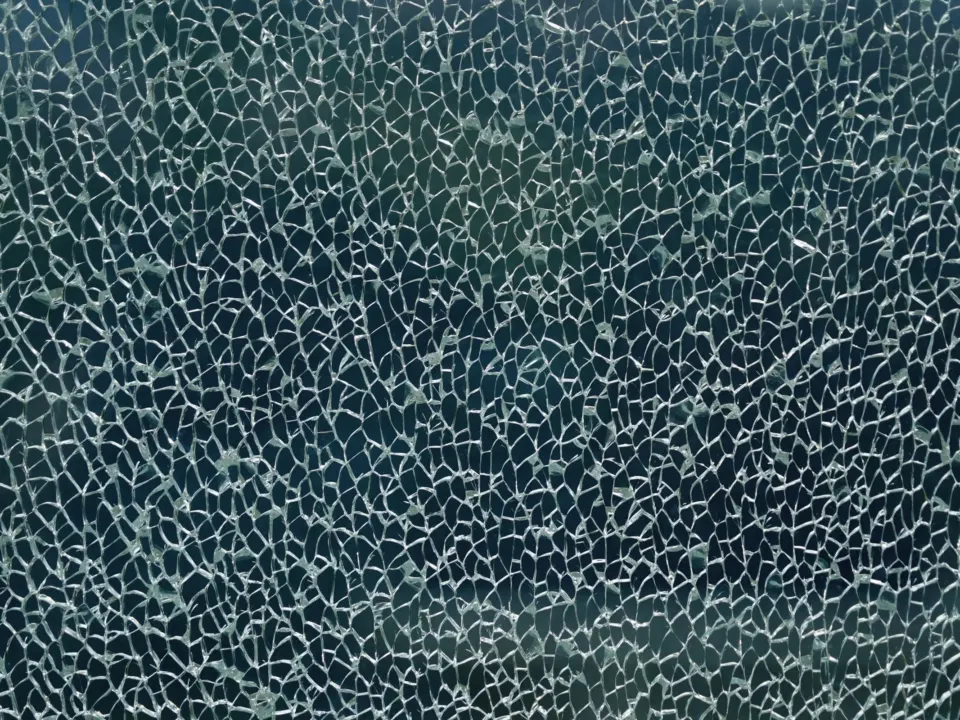
Broken glass holds together. Protects against break-ins and shards, EN 12600 and EN 356 classes.
Learn more -

Shop window graphics
Shop windows, business premises and glass walls. Printed and cut graphics.
Learn more -
Films for banks
Bank branches, jewellers, post offices and critical infrastructure.
Learn more

Send us a photo of your window or car. We’ll prepare a quote as soon as possible.
A few details and a phone photo are enough. We’ll e-mail you a quote as soon as possible.