All of Slovakia
3M Prestige technical data in practice
Data sheet figures are useful, but you probably want to know other things first. Will the room be dark? Will it be cooler by the window? Will the glass mirror? So we start with what you will see and feel. The full table is further down.
- First the feel, then the figures
- 7 film types, 2 glass types
- Every term explained
In short
Depending on type, 3M Prestige lets through 18 to 88 % of light. Glass with film stops 36 to 76 % of solar energy (g-value 0.24 to 0.64). It blocks 99.9 % of UV. On single glazing it reflects only 5–9 % of light. The side it is fitted on matters most. On double glazing Prestige 70 Exterior stops 61 % of energy, Prestige 70 Interior 42 % with the same light. Prestige hardly changes winter heat loss (the U-value).


What 3M Prestige does for you
-
Looks like ordinary glass
Prestige hardly reflects (5–9 %). No mirror look outside, so the building looks the same.
-
Strong heat protection
On double glazing it stops up to 76 % of solar energy, depending on the grade. It lets in more light than you would expect.
-
Does not block signal
The film is metal-free. Mobile, 5G, Wi-Fi and GPS keep working normally.
-
99.9 % UV protection
It protects people and interiors from UV. Furniture and floors keep their colour longer.

Daylight: the room stays bright
The room stays brighter than the numbers suggest. The eye does not see light in a straight line. When light drops by 20 %, the pupil adjusts. You notice a much smaller change.
For example, Prestige 70 Exterior lets through 80 % of the light that passes clear glass. Yet perceived brightness drops by only about 8 %. Perceived brightness grows roughly with the cube root of light (the CIE L* scale).
The neutral tint helps too. The film does not change the colour of daylight.
Our brightness estimate in the chart below is approximate. It ignores how the eye adapts during the day. The best test is a sample on your own window. We bring one to the site visit.
Heat by the window: noticeably less
It will be less hot by the window, because the film stops much of the sun’s heat at the glass. Two figures show how much.
TSER (how much solar energy glass and film stop together) is the first. But the glass alone stops some too. Single glazing stops 19 %, double glazing 30 %.
What the film itself adds shows in the g-value (how much solar energy gets into the room). With Prestige 70 Exterior on double glazing, g falls from 0.70 to 0.39. So 45 % less solar heat gets in.
In summer the effect is even greater. The data sheet gives TSER for sun hitting the glass head-on. Midday summer sun hits a south window at a steep angle. According to 3M (NFRC), Prestige 70 Exterior has TSER of 52 % head-on and 61 % at a 60° angle.
Reflection: no mirror, even at dusk
The view out stays natural even at dusk. With reflective films you see yourself in the glass in the evening. The room then feels more closed in.
From the inside, Prestige reflects only 5–9 % of light on single glazing. Outside it is similar. The darker Exterior types reflect even less outside than plain double glazing. The façade looks more matt, if anything.
UV: floors and furniture fade less
All Prestige types block 99.9 % of UV. Clear glass blocks only about 38 %. UV is what fades floors, furniture and goods on display.
What Prestige does not do: insulate
Prestige hardly changes heat loss through the window in winter. The U-value describes this (how much heat escapes through the window). With Exterior versions single glazing stays at 5.8 W/m²K. Prestige 70 Interior lowers it by only about 7 %, according to 3M.
How Prestige behaves across the year is on the summer and winter page.
Where the figures come from
All figures come from 3M product sheets. They are measured to EN 410 (the European method for testing glazing). They apply to 6 mm clear glass and clear double glazing without a Low-E coating.
The manufacturer calls them illustrative laboratory values. On tinted glass, Low-E glass or triple glazing they differ. That is why our quote uses your glass.
Take care when comparing sheets. US sheets use the NFRC method and 1/4-inch glass. They usually differ from EN 410 by 1–2 points. Also check whether a value is for single or double glazing. Some sellers do not say.
What the film is made of
Data from 3M data sheets and the environmental declaration:
- Build: hundreds of PET/PMMA optical nano-layers (more than 200, according to 3M). The adhesive is acrylic and pressure-sensitive. The surface resists scratches. A protective siliconised PET liner is removed during fitting.
- Thickness: Exterior versions about 50 µm (2 mil). Prestige 70 Interior 38 µm, according to an older Slovak data sheet.
- Weight: about 0.1 kg/m² for the film alone (3M EPD).
- Colour: Prestige 90 Exterior is optically clear. Prestige 70 is neutral with a slight blue hint. Prestige 50, 40 and 20 are neutral with a warm brown hint.
- Infrared: 3M states “up to 97 %”. But this is measured only at 900–1,000 nm, not across the whole infrared range. For room heat, TSER and the g-value are what count.
- Emissivity (how a surface gives off heat): film 0.78, glass 0.84. That is why the U-value barely changes.
- Fitting Exterior versions: at 8–45 °C.
Technical data in charts
3M figures to EN 410. Single glazing means 6 mm clear glass. Double glazing means clear sealed units without a Low-E coating. You can show each chart as a table too.
- Light let through compared with clear glass
- Perceived brightness (CIE L*)
Our calculation from the manufacturer’s VLT: L* = 116 × (film VLT / glass VLT)^(1/3) − 16. It is approximate. It ignores how the eye adapts.
Show as a table
| Metric | Light let through compared with clear glass | Perceived brightness (CIE L*) |
|---|---|---|
| Prestige 90 Exterior | 99 % | 100 % |
| Prestige 70 Exterior | 80 % | 92 % |
| Prestige 50 Exterior | 56 % | 80 % |
| Prestige 40 Exterior | 47 % | 74 % |
| Prestige 20 Exterior | 24 % | 56 % |
- Inside reflection
- Outside reflection
Darker Exterior types reflect less outside than plain double glazing. The façade does not look shinier, rather more matt.
Show as a table
| Metric | Inside reflection | Outside reflection |
|---|---|---|
| Double glazing without film | 15 % | 15 % |
| Prestige 90 Exterior | 16 % | 15 % |
| Prestige 70 Exterior | 14 % | 12 % |
| Prestige 50 Exterior | 14 % | 9 % |
| Prestige 40 Exterior | 13 % | 7 % |
| Prestige 20 Exterior | 12 % | 6 % |
- VLT – light let through
- TSER – energy stopped
- Glare reduction
Glass without film: VLT 89 %, TSER 19 %, g = 0.82.
Show as a table
| Metric | VLT – light let through | TSER – energy stopped | Glare reduction |
|---|---|---|---|
| Prestige 90 Exterior | 88 % | 36 % | 1 % |
| Prestige 70 Exterior | 71 % | 52 % | 20 % |
| Prestige 50 Exterior | 50 % | 60 % | 44 % |
| Prestige 40 Exterior | 42 % | 61 % | 53 % |
| Prestige 20 Exterior | 21 % | 66 % | 77 % |
- VLT – light let through
- TSER – energy stopped
- Less solar heat than without film
Double glazing without film: VLT 79 %, TSER 30 %, g = 0.70.
Show as a table
| Metric | VLT – light let through | TSER – energy stopped | Less solar heat than without film |
|---|---|---|---|
| Prestige 90 Exterior | 78 % | 45 % | 21 % |
| Prestige 70 Exterior | 63 % | 61 % | 45 % |
| Prestige 50 Exterior | 45 % | 69 % | 56 % |
| Prestige 40 Exterior | 37 % | 71 % | 59 % |
| Prestige 20 Exterior | 18 % | 76 % | 66 % |
- VLT – light let through
- TSER – energy stopped
- Glare reduction
On double glazing Interior stops much less than Exterior. Heat the film absorbs stays behind the sealed unit, on the room side.
Show as a table
| Metric | VLT – light let through | TSER – energy stopped | Glare reduction |
|---|---|---|---|
| Prestige 70 Interior – single glazing | 69 % | 50 % | 22 % |
| Prestige 40 Interior – single glazing | 39 % | 60 % | 55 % |
| Prestige 70 Interior – double glazing | 63 % | 42 % | 20 % |
| Prestige 40 Interior – double glazing | 35 % | 47 % | 55 % |
What the values mean
- VLT (Tv)
- How much visible light passes through the glass, in %. 6 mm clear glass lets through about 89 %, clear double glazing 79 %.
- Inside / outside reflection
- How much light the window reflects, seen from the room and from the street. It is low with Prestige, so there is no mirror look.
- TSER
- Total Solar Energy Rejected. How much solar energy glass and film stop together. TSER = 1 − g.
- g-value (SHGC, solar factor)
- How much solar energy gets into the room. It counts energy passing straight through and heat given off by the glass. It is the key figure for heat-load calculations.
- SC – shading coefficient
- An older measure. It compares solar gain with gain through 3 mm clear glass. Roughly SC ≈ g / 0.87. You find it in older project documents.
- Less solar heat
- By how many per cent the g-value drops compared with the same glass without film. It shows what the film itself adds.
- Glare reduction
- By how many per cent light drops compared with glass without film. It matters for screens and desks by the window.
- LSG – selectivity
- The ratio VLT / g. Above 1 = the film lets in more light than heat. Prestige 70 Exterior has 1.6 on double glazing.
- UV rejection
- How much ultraviolet is stopped. Prestige 99.9 %, clear glass about 38 %.
- U-value
- Heat loss through the window in winter, in W/m²K. Prestige does not change it.
- Emissivity
- How a surface gives off heat, on a 0–1 scale. Glass 0.84, Prestige 0.78, Low-E glass much lower.
- EN 410 / NFRC
- European and US methods for measuring glazing. Values differ by 1–2 points. Always compare the same method.
Source: 3M product sheets for Prestige 90/70/50/40/20 Exterior and Prestige 70 (EN 410). For Prestige 40 Interior and the 60° angle, 3M summary data for the Prestige Series and Prestige Exterior Series (NFRC). 3M EPD S-P-00992. The manufacturer gives the values as illustrative laboratory measurements.
All the figures in one table
| Film | Glass | VLT | Reflection in / out | TSER | g | SC | Less solar heat | Glare reduction |
|---|---|---|---|---|---|---|---|---|
| Without film | single | 89 % | 9 / 8 % | 19 % | 0.82 | 0.94 | – | – |
| Prestige 90 Exterior | single | 88 % | 9 / 9 % | 36 % | 0.64 | 0.74 | 21 % | 1 % |
| Prestige 70 Exterior | single | 71 % | 7 / 7 % | 52 % | 0.48 | 0.55 | 41 % | 20 % |
| Prestige 50 Exterior | single | 50 % | 6 / 7 % | 60 % | 0.40 | 0.46 | 51 % | 44 % |
| Prestige 40 Exterior | single | 42 % | 5 / 6 % | 61 % | 0.39 | 0.45 | 53 % | 53 % |
| Prestige 20 Exterior | single | 21 % | 5 / 5 % | 66 % | 0.34 | 0.39 | 58 % | 77 % |
| Prestige 70 Interior | single | 69 % | 9 / 9 % | 50 % | 0.50 | 0.57 | 39 % | 22 % |
| Prestige 40 Interior | single | 39 % | 7 / 7 % | 60 % | 0.40 | 0.46 | 51 % | 55 % |
| Without film | double | 79 % | 15 / 15 % | 30 % | 0.70 | 0.80 | – | – |
| Prestige 90 Exterior | double | 78 % | 16 / 15 % | 45 % | 0.56 | 0.64 | 21 % | 1 % |
| Prestige 70 Exterior | double | 63 % | 14 / 12 % | 61 % | 0.39 | 0.45 | 45 % | 20 % |
| Prestige 50 Exterior | double | 45 % | 14 / 9 % | 69 % | 0.31 | 0.36 | 56 % | 43 % |
| Prestige 40 Exterior | double | 37 % | 13 / 7 % | 71 % | 0.29 | 0.33 | 59 % | 53 % |
| Prestige 20 Exterior | double | 18 % | 12 / 6 % | 76 % | 0.24 | 0.28 | 66 % | 77 % |
| Prestige 70 Interior | double | 63 % | 13 / 15 % | 42 % | 0.58 | 0.67 | 17 % | 20 % |
| Prestige 40 Interior | double | 35 % | 8 / 14 % | 47 % | 0.53 | 0.61 | 24 % | 55 % |
3M data to EN 410 (6 mm clear glass, clear double glazing). Reflection for Prestige 40 Interior is from NFRC data. We derived SC from the g-value (SC ≈ g / 0.87). The “less solar heat” column is the drop in g-value compared with glass without film. All types block 99.9 % of UV. We give values for your glass, the price and warranty terms in the quote.
Preparing for the installation
Film is applied wet, so the fitter needs to reach the glass from the front and the sides with a squeegee, knife and sprayer.
Caring for window film
Do not clean the film for the first 30 days. A light haze and small water bubbles are normal. They disappear on their own as the film dries. In winter this takes longer.
Do
- Plenty of water with a drop of mild detergent (no ammonia)
- Soft microfibre cloth
- Rubber squeegee for the remaining water
- Clean exterior film just as gently as interior film
Don’t
- Razor blades, scrapers and rough sponges
- Cleaners with ammonia or grit
- Stickers, tape and suction cups on the film
- A pressure washer close to the edges of exterior film
Tip from practice: When you clean the frames, take care of the film edges. Do not lift them with a fingernail or cloth.
Full film care guideUpdated: November 2026
Why choose us to fit your film
We are a certified 3M Endorsed Installer. Our fitters were trained and tested by 3M itself. We have been fitting window and car films for 25 years. How long a film lasts depends on how well it is fitted.
We have even worked inside nuclear power plants
We fitted film at the Jaslovské Bohunice and Mochovce nuclear power plants. With security clearance, work permits and the strictest health and safety rules. We bring the same discipline to your flat or office.
Open shopping centres and work from platforms
Aupark, Eurovea and Polus did not close for us. We worked section by section and before opening. The work area was fenced off. We reached atriums and skylights from platforms. All our installers are certified for work at height and for operating aerial work platforms and walkways.
Only premium materials, data shown openly
We use only premium films from 3M, Avery Dennison, ORAFOL and Solar Screen. They last longer, keep their colour and carry a manufacturer warranty. For every film you get the data sheet and certificates. The values in our quote are the manufacturer’s figures to recognised standards. Not sales promises.
We tell you when film isn’t the answer
Sometimes film will not solve the problem. Or the glass could crack from uneven heat (thermal stress). Then we tell you plainly and suggest what to do instead.
How it works
From your first message to the finished job usually takes a few days. For buildings, we plan the work so it does not disrupt your operations.
Enquiry or photo
Fill in the online form and see an estimated price at the end. Or send a photo to m2s@m2s.sk. Rough sizes are enough.
Free site visit
For buildings, we visit, measure the windows and check the glass. Then we recommend a suitable film.
Your quote
We prepare it as soon as possible. It has a clear price, the exact material, a date and the warranty terms.
Installation and warranty
Our team of two installers fits the film. You get the data sheet, the manufacturer’s warranty terms and an invoice. For cars, also a certificate of installation.
Frequently asked questions
Didn’t find your answer? E-mail us or send a free quote request – advice costs nothing.
Send us an e-mailWhy does the room feel brighter than the VLT suggests?
Because the eye does not see light in a straight line. With Prestige 70 Exterior, 80 % of the light through clear glass still gets in. Yet perceived brightness drops by only about 8 %. Low reflection and a neutral tint help too.
What are the specifications of 3M Prestige 70 Exterior?
On clear single glazing: VLT 71 %, TSER 52 %, g = 0.48, 7 % reflection inside and out. Glare drops by 20 %, UV by 99.9 %. On clear double glazing: VLT 63 %, TSER 61 %, g = 0.39 (3M data, EN 410).
Which Prestige stops the most heat?
Prestige 20 Exterior. On double glazing it has TSER 76 % and g = 0.24, but lets through only 18 % of light. The best balance of light and heat is Prestige 70 Exterior (LSG 1.6 on double glazing).
Why do values differ between data sheets?
Because they are measured differently. Europe uses EN 410, the US uses NFRC. The glass also differs (6 mm or 1/4 inch, single or double) and so does the sheet version. The gap is usually 1–2 points, so compare the same method and glass.
What do TSER and g-value mean?
The g-value says how much solar energy gets into the room. TSER is the opposite: how much energy glass and film stop. Together they make 100 %. Prestige 70 Exterior on double glazing: g = 0.39, so TSER 61 %.
Does Prestige really stop 97 % of infrared?
Only in a narrow band. The 3M figure “up to 97 %” applies to 900–1,000 nm. Infrared from the sun reaches much further. To judge room heat, use TSER and the g-value.
Does Prestige change the window’s U-value?
Practically not. Exterior versions do not change it, and Prestige 70 Interior lowers it by about 7 %.
What is the shading coefficient (SC) of Prestige?
On single glazing from 0.39 (Prestige 20 Exterior) to 0.74 (Prestige 90 Exterior). On double glazing from 0.28 to 0.67. We derived it from the g-value: SC ≈ g / 0.87.
How thick is Prestige film?
Exterior versions are about 50 µm (2 mil). Prestige 70 Interior is 38 µm, according to an older sheet. It is thin and is not a safety film. For protection against breakage there are safety films.
Do the values apply to triple or Low-E glazing?
Not exactly. The table is for clear glass and clear double glazing without Low-E. For triple, Low-E or tinted glass we recalculate the values. In the quote we also assess the risk of thermal stress.
Will I get a data sheet with the quote?
Yes. We attach the data sheet for the chosen film to the quote. After fitting you get an application certificate. For project or tender documents, write to m2s@m2s.sk.
What do I need to prepare before the film is applied?
Clear access to the windows: leave roughly 1 metre of free space in front of and beside every window. Move wardrobes, beds, desks and plants away beforehand, clear the window sills, pull curtains aside and raise interior blinds. If something heavy cannot be moved, tell us in advance and we will plan around it.
Related services
-

3M Prestige – film without the mirror look
Less heat, the same view. Who it suits, which version to pick, what affects the price and how fitting works.
Learn more -
Energy savings with 3M Prestige
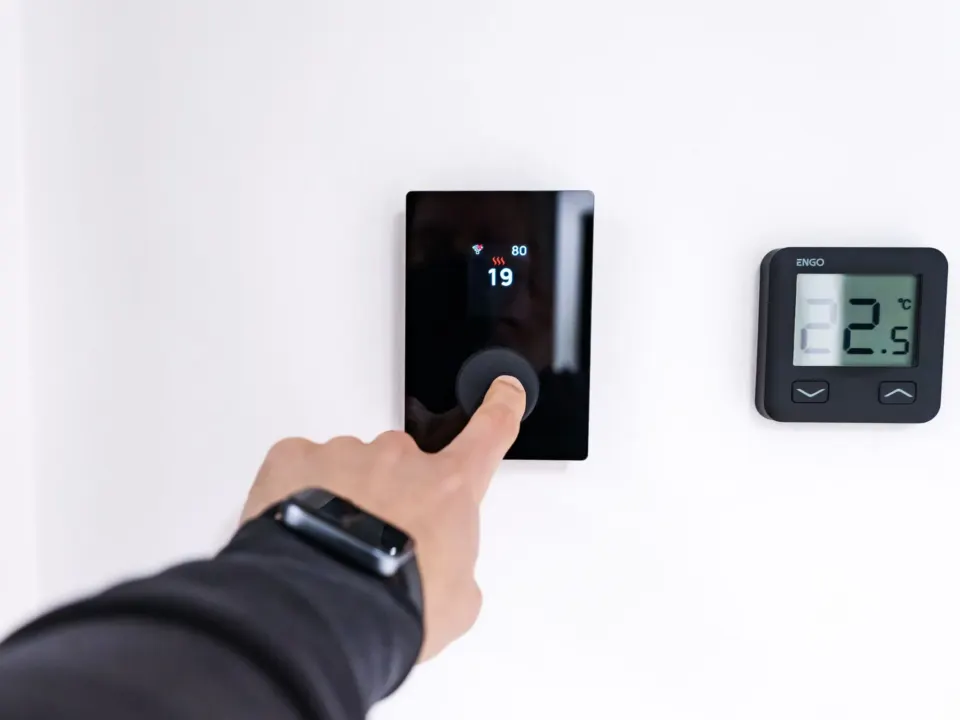
A simple 5-step way to estimate the saving in your building. Plus 3M data and a worked example.
Learn more -
3M Prestige in summer and winter
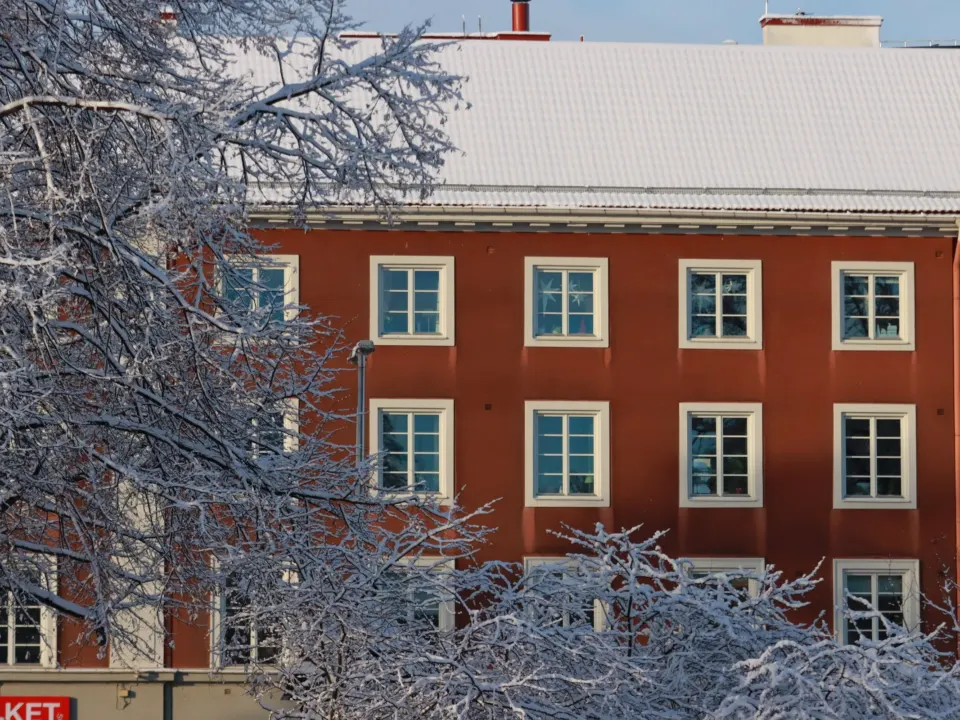
How the film helps in summer and how much winter sun it takes. Plus when it is better to fit none.
Learn more

Send us a photo of your window or car. We’ll prepare a quote as soon as possible.
A few details and a phone photo are enough. We’ll e-mail you a quote as soon as possible.